
01
A cycle of changing dharma
Traditional descriptions compare dharma to a bull standing on four legs in Satya Yuga, three in Treta, two in Dvapara and one in Kali. The image is not simply a claim that every person in a later age is worse. It expresses how truth, restraint and social order become harder to sustain as the cycle advances.
Exact calculations of Yuga duration belong to particular cosmological systems and are interpreted in different ways. For a story reader, the most useful starting point is the moral pattern: each age creates a different setting in which people must choose, serve and remember dharma.
02
Where the great epics fit
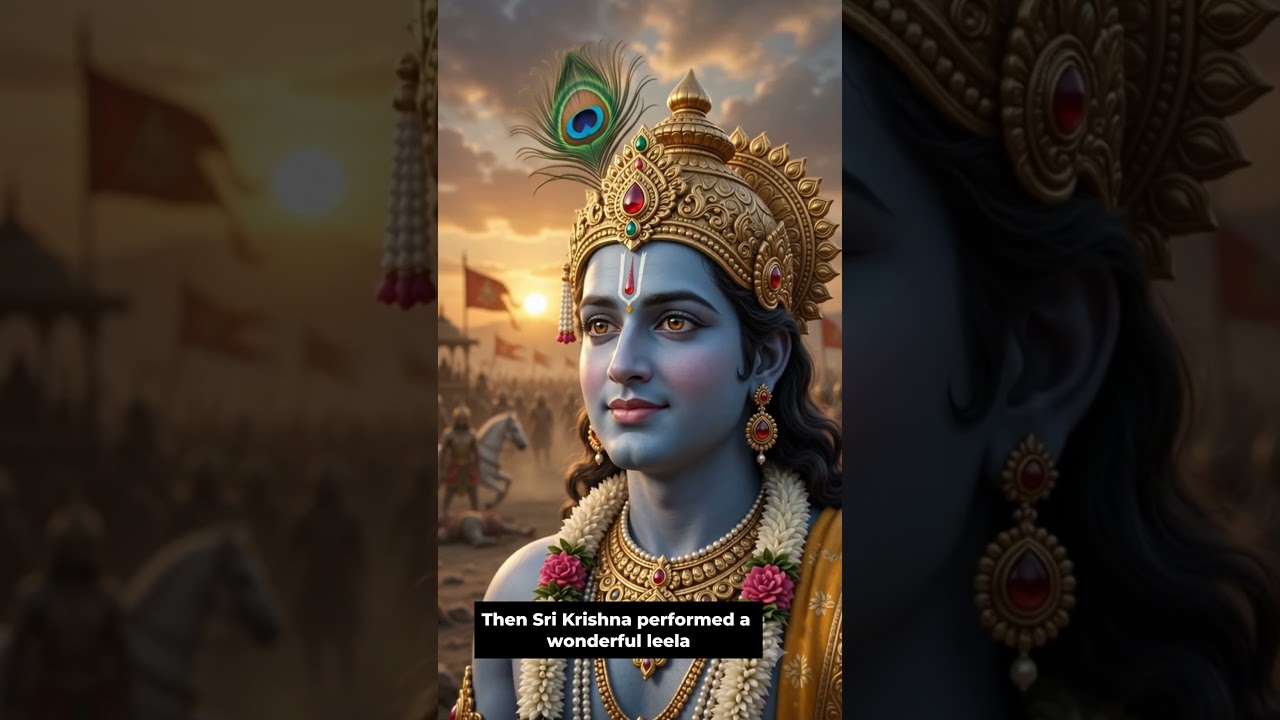
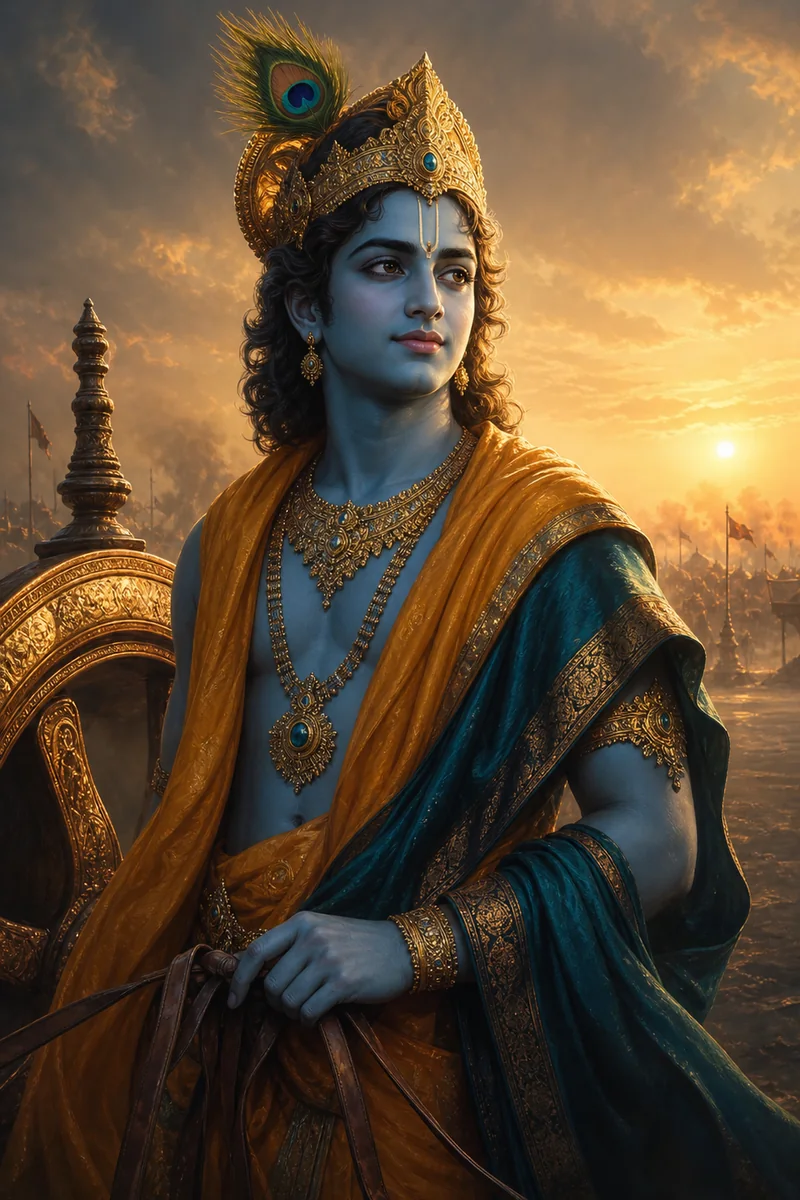
The Ramayana is traditionally associated with Treta Yuga, an age of kingdoms, vows and ideal duty. The Mahabharata belongs to Dvapara Yuga, where loyalties are divided and dharma must be worked out inside political and family conflict. Krishna's departure is commonly linked with the transition into Kali Yuga.
These placements are sacred narrative chronology, not modern archaeological dating. Floppy Fables presents them as a map of tradition and meaning while clearly distinguishing that map from modern historical methods.
03
Why the Yugas still matter
Kali Yuga is often described as difficult, but it is also an age in which remembrance, devotion and sincere action remain possible. Stories from earlier Yugas are therefore not museum pieces. They become mirrors for questions about power, loyalty, courage and responsibility in the present.